Kinda: A Bold Sans Serif for Modern Design
You know the feeling when you see a typeface that just clicks? It's not overly decorative, but it has personality. It's clean, but not cold. It feels contemporary, yet has a timeless quality. That's the space Kinda, a sans serif display font, occupies. It's designed for moments when you need your words to make a confident, immediate impression without sacrificing clarity. This isn't a font for quiet, background text. It's a workhorse with flair, built for headlines that command attention and logos that stick.
The Anatomy of a Confident Character
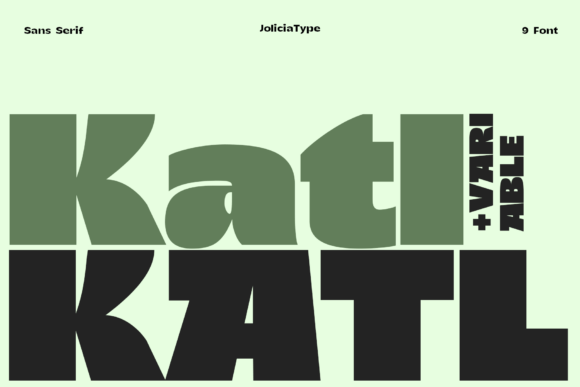
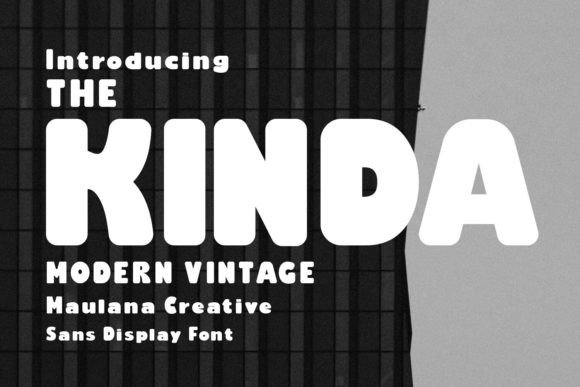
At its core, Kinda is a sans serif, which means it strips away the small strokes (serifs) found on typefaces like Times New Roman. This gives it a clean, modern foundation. But where many sans serifs lean towards neutrality, Kinda asserts itself. Its strokes are bold, tall, and sharp, creating a strong vertical rhythm that feels energetic and contemporary. The letterforms have a slight geometric quality, but with enough subtle humanist curves to avoid feeling rigid or robotic.
What truly gives Kinda its charm are the details. The font includes a selection of fun ligatures—where certain letter combinations merge into a single, stylish glyph—and alternates for key characters. These features are not just decorative; they are practical tools. They allow you to customize the look of a word or phrase, adding a unique touch to a logo or a social media headline. The overall personality is one of friendly authority: it's professional enough for a corporate identity but approachable enough for a lifestyle blog or a craft brand.
Where Kinda Truly Shines: Practical Applications
Understanding a font's visual traits is one thing; knowing where to deploy it is where the real strategy lies. Kinda's bold, display-oriented nature makes it a specialist in grabbing attention, but its clarity ensures it remains functional. Here’s how it fits into the creative toolkit for designers, entrepreneurs, and content creators.
Branding and Logo Design
A logo needs to be recognizable at a glance and versatile across media. Kinda's strong, clean lines make it an excellent candidate for logotypes (text-based logos) and wordmarks. Its sharp strokes ensure it reproduces well at small sizes, while its personality helps define a brand's voice. For a tech startup, it conveys innovation and clarity. For a boutique bakery, its friendly alternates can add a touch of warmth. When choosing a font for your brand identity, consider how Kinda's bold presence can set the tone from the first interaction.
Editorial and Publishing
In the world of magazines, book covers, and blogs, visual hierarchy is everything. Kinda excels as a headline or title font. Its tall x-height (the height of lowercase letters like 'x') ensures excellent readability even when set large on a cover or as a chapter title. Pair it with a classic serif font or a simple sans serif for body text to create a dynamic, professional layout. It brings a modern edge to editorial design without distracting from the content.
Digital Presence and Social Media
The digital landscape demands fonts that are both eye-catching and screen-friendly. Kinda's clean construction renders beautifully on high-resolution screens. This makes it a powerful choice for website hero sections, key call-to-action buttons, and, most importantly, social media graphics. In a fast-scrolling feed, a post with a bold, well-set headline in Kinda can stop the scroll. Its support for multilingual projects (over 100 languages) is a significant advantage for global brands and creators, ensuring consistent messaging across markets.
Print and Packaging
On physical materials, texture and print quality matter. Kinda's sharp strokes hold their own on business cards, brochures, and packaging. For packaging design, where shelf appeal is critical, a bold display font like Kinda can communicate the product's essence instantly—whether it's premium, energetic, or artisanal. The included ligatures and alternates offer designers the flexibility to craft unique typographic treatments for product names or taglines.
Making Kinda Work for You: A Practical Guide
Having a powerful font is one thing; using it effectively is another. Here’s a straightforward approach to integrating Kinda into your projects.
- Evaluate the Fit: Before choosing, assess your project's tone. Kinda is ideal for projects that need to feel modern, confident, and clear. It might not be the best choice for a project requiring a deeply traditional, elegant, or whimsical script feel. Always test it with your actual content.
- Master Font Pairing: A display font like Kinda is rarely used alone. Create balance by pairing it with a more neutral typeface for longer body text. A classic serif like Playfair Display or a simple sans serif like Lato can provide a perfect counterpoint, letting Kinda's headlines shine while ensuring the body copy remains highly readable.
- Explore the Extras: Don't just install and forget. Dive into the font's OpenType features in your design software (like Adobe Illustrator or InDesign). Experiment with the ligatures and alternates. Swapping a standard 'a' for an alternate can subtly change the entire feel of a logo.
- Consider Licensing: If you're using Kinda for commercial projects—client work, products for sale, or monetized content—ensure you have the appropriate commercial license. This is a standard practice with premium fonts and protects both you and the font creator. Most font marketplaces make this clear.
Ultimately, Kinda is more than just a collection of glyphs. It's a design asset that offers a blend of personality and practicality. It’s the kind of typeface that can help define a brand's visual language, make a marketing campaign more impactful, or give a personal project a polished, professional finish. By understanding its strengths and applying it with intention, you can leverage its bold character to create work that is not only beautiful but also effective. Give it a try in your next project; you might find it's the missing piece that brings your creative vision into sharp, confident focus.