Little Easter Bunny: A Font That Brings Joy to Your Designs
There's a specific kind of energy you want in a design meant for children, families, or festive occasions. It needs to feel warm, approachable, and genuinely fun without looking cheap or amateurish. Finding a typeface that captures that authentic playfulness can be a challenge. Many decorative fonts lean too heavily into cartoonish territory, sacrificing legibility for style. Others feel sterile and fail to connect on an emotional level. This is where a well-crafted display font like Little Easter Bunny becomes an invaluable design asset. It strikes a balance between whimsical charm and functional clarity, making it a versatile tool for a wide range of creative projects.
Understanding the Visual Personality of Little Easter Bunny
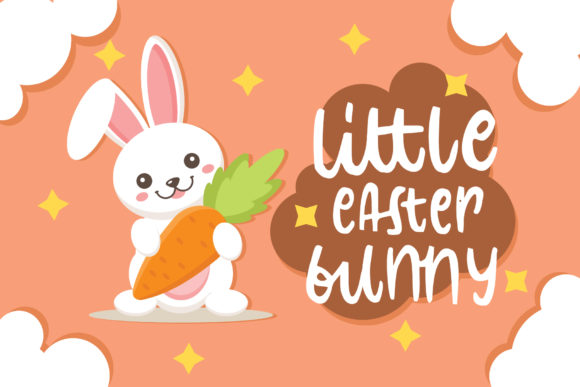
At its core, Little Easter Bunny is a cute and fun display font. Its character is defined by chunky, rounded letterforms that feel substantial and friendly. The letters have a slight, organic unevenness that mimics the look of hand-drawn typography, giving it an authentic, handmade quality. This isn't a rigid, geometric typeface; it has personality in every curve and terminal. The overall appeal is one of playfulness and authenticity. It feels like something crafted with care, designed to evoke a smile. The font's style makes it an excellent choice for projects where you want to communicate warmth, creativity, and a sense of lighthearted celebration. It’s the typographic equivalent of a friendly wave or a brightly colored Easter egg.
Where This Creative Font Truly Comes Alive
The strength of Little Easter Bunny lies in its specific application. It's not a workhorse for body text; it's a specialist for grabbing attention and setting a tone. Think of it as the headline act, not the supporting cast. Its chunky lettering and distinctive personality make it perfect for projects targeting children, families, or any context that benefits from a joyful aesthetic.
Bringing Projects to Life in the Real World
Consider a small business owner creating packaging for a children's clothing line. Using Little Easter Bunny for the brand name or product labels instantly communicates a playful, child-friendly identity. For a blogger or content creator, this creative font can transform social media graphics, making quotes or announcements for kids' activities pop off the screen. It’s an obvious fit for any school project, educational worksheet, or activity book where engagement is key. The font's inherent charm makes mundane tasks feel more like a game.
Entrepreneurs and marketers can leverage its personality in specific campaigns. Imagine a bakery's flyer for an Easter baking class, a daycare's signage, or the header of a family-oriented event website. In these contexts, Little Easter Bunny does more than just display text; it contributes to the brand identity. It tells the audience, "This is a fun, welcoming, and creative space." For crafters and hobbyists, it’s a fantastic choice for personalized items like birthday cards, party invitations, scrapbook titles, and custom t-shirt designs. Its PUA encoding is a practical benefit here, allowing easy access to all glyphs and swashes in any design software, which opens up possibilities for unique typographic compositions.
Integrating Little Easter Bunny into Your Design Strategy
Choosing a font is a strategic decision that influences how your audience perceives your message. When you select Little Easter Bunny, you're making a deliberate choice to inject energy and approachability into your project. This can have a tangible impact on engagement, especially in crowded digital spaces where a friendly, distinct typeface can stop a scroll. It helps create a clear visual hierarchy, drawing the eye to key information like titles, calls to action, or headlines. Used correctly, it enhances readability for its intended purpose—not by being a simple text font, but by making the most important words impossible to ignore and easy to understand at a glance.
Practical Guidance for Using This Display Font
To get the most out of this premium font, thoughtful implementation is essential. First, always consider the project's overall tone. Little Easter Bunny excels in joyful, celebratory, or youthful contexts. It might not be the right fit for a formal legal document or a luxury brand's minimalist logo design, but it could be perfect for that brand's holiday marketing campaign.
Second, focus on font pairing. A strong display font like this needs a supporting partner. Pair it with a clean, neutral sans serif font for body text to ensure readability and balance. The contrast between the playful headline and the straightforward body copy creates a professional and harmonious layout. Avoid pairing it with other highly decorative fonts, as this can create visual chaos.
Third, explore the full character set. Because it is PUA encoded, you have access to alternate characters and swashes. Take the time to review what's included. A swash on a capital letter or an alternate ampersand can add a unique, custom touch to a logo or headline. This feature elevates it from a standard commercial font to a versatile toolkit for customization.
Finally, test it in context. Mock up your design before finalizing. See how it looks at different sizes on both screen and print. Check its legibility against your chosen background colors. This hands-on testing is the best way to ensure the font enhances your project rather than distracting from it. By approaching Little Easter Bunny as a strategic component of your design assets, you can leverage its inherent charm to create memorable, engaging, and effective visual communication that resonates with your audience.