Mickle: A Serif Font with a Retro-Modern Soul
There’s a particular challenge in modern design: how do you create something that feels both timeless and fresh? Too often, we lean into stark minimalism that can feel cold, or we embrace vintage flourishes that risk looking dated. Finding that sweet spot—a typeface that carries the weight of history but speaks with a contemporary voice—is rare. That’s the space where Mickle lives. It’s not just another serif; it’s a crafted blend of nostalgia and now, designed to bring a distinct character to your work without shouting for attention.
The Anatomy of Mickle: Where Tradition Meets Modernity
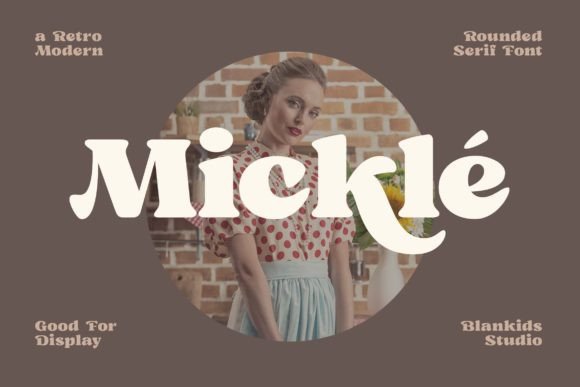
At first glance, Mickle presents the familiar, comforting structure of a classic serif. But look closer, and its personality reveals itself. The serifs—the small strokes at the ends of letters—are gently rounded. This single detail softens the entire font, removing the sometimes rigid formality of traditional serifs and replacing it with a subtle warmth. The letterforms themselves are built on clean, sleek lines, avoiding excessive ornamentation. This isn't a font trying to be a relic; it's using the best parts of serif heritage—readability, authority, elegance—and filtering them through a modern, minimalist lens.
The result is a typeface with a unique duality. It possesses a luxurious vibe, reminiscent of high-end editorial layouts or vintage branding, yet its overall aesthetic is clean and uncluttered. This makes Mickle incredibly versatile. It feels equally at home on a sophisticated coffee table book as it does on a sleek tech startup's brand guidelines. Its personality is confident but not arrogant, stylish but not trendy. It’s the kind of font that can anchor a design and give it immediate depth and credibility.
Where Mickle Truly Shines: Practical Applications
Understanding a font's character is one thing; knowing where to use it is another. Mickle excels in projects where you need to communicate quality, thoughtfulness, and a touch of distinctiveness. It’s a workhorse display font, meaning it’s built for impact at larger sizes, but its balanced proportions also allow it to function beautifully in shorter blocks of text.
Branding and Identity
For brand identity, Mickle is a powerhouse. It’s a natural fit for businesses that want to project an image of curated quality—think boutique hotels, artisanal food brands, independent publishers, or premium lifestyle goods. Its retro-modern twist helps a brand feel established yet current, avoiding the pitfalls of looking either stuffy or fly-by-night. Use it for logo design to create a mark that is instantly recognizable and rich with personality. It pairs exceptionally well with a clean sans serif font for body copy, creating a visual hierarchy that is both dynamic and harmonious.
Editorial and Packaging Design
In editorial design, Mickle brings elegance and rhythm. It’s perfect for magazine headlines, chapter titles in books, or the masthead of a newsletter. Its readability at medium sizes also makes it a strong choice for pull quotes or introductory paragraphs, adding visual interest without disrupting the reading flow. For packaging design, it’s a standout. The rounded serifs feel approachable and tactile, which is perfect for products that want to convey craft and care—think coffee bags, cosmetic labels, or gourmet packaging. It communicates "premium" without the need for excessive gilding or complex illustrations.
Digital and Social Media
Don’t let its serif roots fool you; Mickle translates beautifully to the digital realm. Its clean lines ensure clarity on screens, making it a compelling choice for website headers, hero sections, and social media graphics. In the often-sterile world of digital content, using a font like Mickle can inject much-needed personality and sophistication. It can help a brand’s Instagram grid or LinkedIn banners feel more cohesive and professionally designed, increasing visual recognition and engagement. As a premium font, it offers a level of uniqueness that free fonts often lack, helping your digital presence stand out.
Working with Mickle: A Practical Guide
Choosing the right typeface is a strategic decision. Here’s how to evaluate if Mickle is the right fit for your project and how to use it effectively.
- Evaluate Your Project’s Voice: Does your project need to feel trustworthy, elegant, and slightly different? Mickle is ideal for conveying heritage, quality, and thoughtful design. It might not be the best fit for ultra-playful children’s brands or hyper-aggressive, cutting-edge tech marketing that demands a purely geometric or handwritten font.
- Test Font Pairings: A font rarely works in isolation. Mickle’s character makes it a fantastic partner. Pair it with a geometric sans serif font for a clean, modern contrast. For a more nuanced, luxurious feel, try it with a subtle script font or a handwritten font for accents. Always test pairings in your actual layouts to see how they interact visually.
- Review Included Styles: A good commercial font family offers more than one weight. Check if Mickle comes with Regular, Bold, Italic, or other styles. Having a range allows you to create more sophisticated visual hierarchy in your designs, from bold headlines to nuanced subheadings.
- Consider Readability: While Mickle is highly legible, its personality is strongest at display sizes. For long-form body text, especially on screens, a simpler sans serif font or a highly optimized serif might be a better choice. Use Mickle strategically where its character can shine—in headlines, titles, logos, and short descriptive text.
- Understand Licensing: Since Mickle is a premium font, ensure you have the correct license for your use case. Desktop licenses are for print and static images, while web fonts require a separate license for embedding. If you’re using it for client work, a commercial license is essential. This protects both you and the font designer.
In the end, the best way to know if a font works is to use it. Download the trial files of Mickle if available, and experiment. Place it in your current project mockups. See how it interacts with your color palette, imagery, and other design assets. Does it elevate the message? Does it feel like the right voice? If you’re seeking a creative font that bridges the gap between classic elegance and contemporary clarity, Mickle is a compelling candidate that deserves a place in your typographic toolkit.