Monogram: A Creative Display Font for Modern Craft
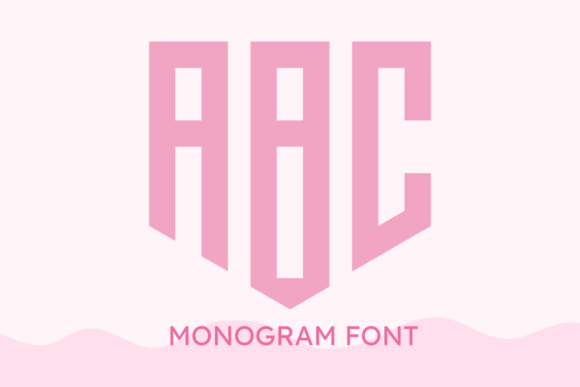
In the world of design, certain typefaces do more than just present words—they create an immediate feeling. Monogram is one of those premium fonts. It’s a cool, attractive display font that carries a distinct personality, one that feels both classic and refreshingly modern. At its core, Monogram is built for impact. Its letterforms are designed with a balanced confidence, often featuring clean lines, subtle curves, and a structured weight that makes it stand out without shouting. This isn't a font that fades into the background; it's meant to be the focal point, the element that draws the eye and anchors a design.
The personality of Monogram is versatile yet specific. It can feel sophisticated and editorial one moment, then shift to feel artisanal and approachable the next, depending on its context and color. Its visual style often bridges the gap between a sturdy serif font and a stylized sans serif font, giving it a unique presence that avoids feeling overly traditional or starkly minimalist. This balance is its strength. It possesses the legibility and presence needed for logo design and brand identity, while also having the charm and detail required for personal creative craft projects. The overall appeal lies in this duality—it feels professional enough for commercial use but personal enough for handmade goods.
Where Monogram Truly Shines: From Branding to Craft Tables
Understanding where a font works best is key to using it effectively. Monogram excels in applications where a strong, memorable visual statement is required. For entrepreneurs and small business owners building a brand identity, this typeface can be a cornerstone. Imagine it on a coffee shop logo, a boutique clothing label, or a skincare product line—it immediately communicates a level of care and distinctiveness. Its clear visual hierarchy makes it perfect for headlines on websites (web design), hero banners, and social media graphics where you need to stop the scroll. As a display font, it’s not intended for long paragraphs of body copy, but for the moments that matter most: a magazine cover title, a book chapter opener in editorial design, or the main text on event invitations.
Beyond the digital and print realm, Monogram’s true versatility comes alive in physical products. This is where it becomes an indispensable design asset for crafters and hobbyists. Its clean, bold shapes translate exceptionally well to applications where material and technique can obscure finer details. Think of it cut from vinyl for decals, embroidered on hats and tote bags, or engraved onto jewelry and leather goods. For packaging design, it can make a product name pop on a box or bag. The font’s structure ensures that whether it’s screen-printed on a t-shirt, etched onto a necklace, or used for stickers and labels, the message remains crisp and recognizable. It’s a creative font that bridges the gap between digital design and tangible creation.
The Practical Side: Choosing and Using Monogram Effectively
Choosing any commercial font involves more than just liking how it looks on a preview. It’s about evaluating fit, testing functionality, and understanding its role in your project’s ecosystem. When considering Monogram for a logo design or brand identity, start by examining its personality. Does the font’s inherent style align with your brand’s voice? A modern tech startup might use it differently than a heritage-inspired bakery. Test it with your actual business name and tagline. Does it maintain readability at the sizes you’ll use most, from a website header to a favicon?
A critical step in professional design is exploring font pairing. Monogram, as a strong display face, needs a complementary partner for supporting text. It often pairs beautifully with a clean, neutral sans serif font for body copy, allowing the display font to own the headlines without competition. Sometimes, a simple script font or handwritten font can add a contrasting touch of warmth for accent text, but use such pairings sparingly to avoid clutter. Review the font package thoroughly. Does it include multiple weights (like Regular, Bold) or stylistic alternates? These extras can provide valuable flexibility for creating visual hierarchy and consistency across all your materials.
Finally, always consider the licensing. For any project that moves beyond personal, non-commercial use—whether it’s for a client, a product you sell, or marketing materials for your business—you need to ensure you have the correct commercial license. This protects you legally and supports the type designers who create these valuable tools. By thoughtfully integrating Monogram, you’re not just picking a pretty font; you’re making a strategic choice that influences brand perception, enhances recognition, and ultimately helps your work connect more effectively with your audience. It’s a practical tool for achieving a polished, professional result in a crowded creative landscape.