Oldfine: A Handwritten Script for Refined Projects
In the world of design, finding a typeface that balances authenticity with sophistication can feel like searching for a needle in a haystack. Many script fonts lean too heavily into casual whimsy, while others feel overly stiff and disconnected from human touch. Oldfine, a meticulously crafted handwritten script font from Roomspace Creative Lab, occupies a compelling middle ground. It’s a premium font designed for creators who need their typography to communicate warmth, elegance, and a distinct personality without sacrificing legibility or professionalism.
The Visual Character of Oldfine
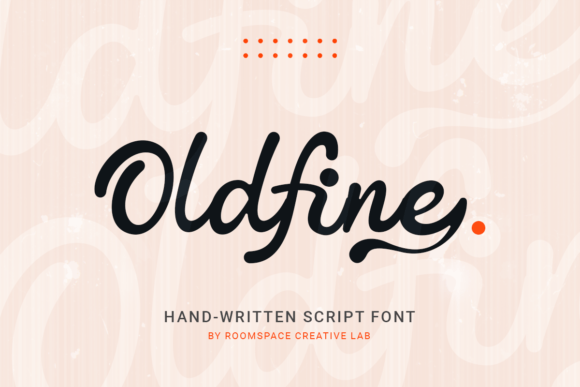
At first glance, Oldfine presents itself with a flowing, connected script that feels genuinely penned rather than digitized. The letterforms exhibit a subtle, organic variation in stroke width, mimicking the natural pressure changes of a skilled calligrapher. This isn't a rigid, uniform typeface; it has a gentle rhythm and a slight bounce that gives it life. The overall x-height is generous, which significantly boosts readability, especially at smaller sizes or when used for longer phrases. The capital letters are particularly expressive, featuring elegant swashes and flourishes that can be used to create stunning initials or decorative headlines.
The personality of Oldfine strikes a careful balance. It’s undeniably sophisticated, yet it avoids feeling cold or overly formal. This makes it an incredibly versatile creative font. It can feel romantic and intimate for a wedding suite, but also trustworthy and artisanal for a coffee shop branding project. The design avoids the trendy, overly distressed looks that can date quickly, opting instead for a timeless, clean elegance that will hold its value across seasons and trends.
Where Oldfine Truly Shines: Practical Applications
Understanding a font’s strengths is key to using it effectively. Oldfine’s blend of charm and clarity makes it a powerful asset across a surprising variety of projects. It’s not just a pretty face; it’s a functional tool for modern typography.
- Branding and Logo Design: For boutique businesses, lifestyle brands, consultants, and artisans, Oldfine can become the cornerstone of a brand identity. Its handwritten quality injects a human, approachable feel into a logo, which is crucial for building trust. Pair it with a clean sans serif font for body text to create a balanced, professional look.
- Wedding and Event Stationery: This is a natural home for Oldfine. Its elegance is perfect for invitations, save-the-dates, menus, and program covers. The font’s legibility ensures that critical event details remain clear, while its beauty sets the desired tone of refinement.
- Packaging and Editorial Design: Imagine Oldfine on a artisanal chocolate box, a boutique candle label, or the chapter titles in a lifestyle magazine. It adds a layer of perceived quality and care, suggesting a product or publication that values craftsmanship. It works beautifully as a display font for headlines and pull quotes.
- Digital Presence and Social Media: In the crowded space of social media graphics, a distinctive font helps you stand out. Oldfine can elevate Instagram quotes, Pinterest pins, and YouTube thumbnails, making your content more visually engaging and recognizable. For web design, it’s best used strategically for headings, hero text, or accent elements to maintain fast load times and readability.
Integrating Oldfine into Your Design Workflow
Simply liking a font isn’t enough; you need to know how to use it well. Here’s a practical guide to making Oldfine work for you.
Evaluate the Project Fit
Before downloading, ask yourself: Does my project need a human, personal touch? Is the primary goal to convey elegance, approachability, or artisanal quality? If your project is a technical manual or requires ultra-precise data visualization, a script font like Oldfine is likely the wrong choice. But for anything where emotion, personality, and brand story are key, it’s a strong contender.
Master Font Pairing
A great script font rarely works alone. The key to professional typography is pairing. Oldfine’s flowing nature pairs exceptionally well with structured, neutral typefaces. For a modern, clean look, try combining it with a geometric sans serif font like Montserrat or Lato. For a more classic, editorial feel, a traditional serif font like Garamond or Minion Pro provides beautiful contrast. The rule of thumb is to let Oldfine be the star in headlines or key phrases, while its partner handles the bulk of the body text.
Test for Readability and Hierarchy
Always test Oldfine at the actual size it will be used. While its x-height is generous, a long sentence set in a small script font can become a wall of text. Use it for short, impactful lines: a business name, a tagline, a single quote, or a call-to-action. In a layout, use size and weight (if other styles are included) to create a clear visual hierarchy. Let the script font draw the eye to the most important element first.
Understand the Licensing and Assets
When you choose a commercial font like Oldfine, you’re investing in a professional design asset. Review the licensing terms carefully. Does it cover your intended use—desktop, web, app, or digital ads? Check what’s included in the package. Often, a premium font will come with multiple files: regular, italic, and sometimes additional stylistic alternates or ligatures. These extras give you more creative control, allowing you to customize the look by swapping out specific letters.
Ultimately, a typeface like Oldfine is more than just letters on a page. It’s a voice. Choosing it is a strategic decision to infuse your project with a specific kind of warmth and elegance. By understanding its character, knowing where it excels, and applying it thoughtfully within your designs, you can leverage this sophisticated handwritten script to create work that feels both deeply personal and professionally polished. It’s a tool that, when used with intention, helps bridge the gap between digital precision and the irreplaceable charm of the human hand.