Little Mermaid Font: A Playful Touch for Modern Design
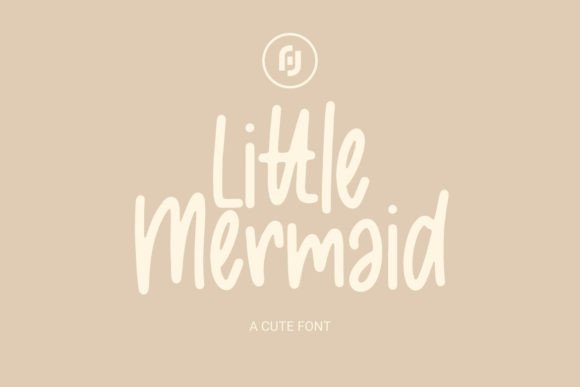
There's a certain magic that happens when typography steps beyond mere utility and becomes a character in itself. The Little Mermaid font is a prime example of this phenomenon. It's not just a set of letters; it's a whisper of childhood storybooks, a dash of seaside whimsy, and a generous helping of friendly charm. For designers and creators, understanding a font like this means understanding how to inject a specific, potent emotion into a project. It's a premium font that trades corporate polish for authentic, handwritten warmth.
At its core, Little Mermaid is a handwritten font, but that simple label hardly does it justice. Its personality is built on a foundation of carefully crafted imperfections. The letters have rounded edges that feel soft and approachable, never sharp or aggressive. The uneven baseline mimics the natural flow of hand-lettering, giving text a dynamic, organic rhythm that static, digital fonts often lack. You'll find subtle decorative elements—perhaps a curl on a 'g' or a playful flick on a 'y'—that add to its storybook quality. This isn't a font shouting for attention; it's one that leans in and shares a secret. Its appeal lies in its ability to evoke nostalgia and happiness without feeling childish or out of place in a sophisticated design context.
Where This Creative Font Truly Shines
The practical applications for a typeface with this much character are both specific and surprisingly broad. It excels in contexts where audience engagement is driven by emotion and personality rather than pure authority. Think of brand identity for a boutique bakery, a children's book author, a wedding planner specializing in whimsical themes, or a skincare line that emphasizes natural, gentle ingredients. The font immediately sets a tone of care, creativity, and approachability.
In packaging design, Little Mermaid can transform a product from a commodity into a keepsake. Imagine it on a jar of artisanal honey, a box of gourmet cupcakes, or a bottle of scented bubble bath. It tells the customer that what's inside is made with love and a touch of fun. For editorial design, it works beautifully for chapter titles in a memoir, pull quotes in a lifestyle magazine, or headings in a blog post about family adventures. It draws the reader in, creating an intimate, conversational feel.
Digital spaces are its natural habitat. As a display font, it's perfect for web design headers on sites for creative studios, event invitations, or portfolio pages for illustrators and photographers. In social media graphics, it can make announcements, quotes, or sale promotions feel personal and relatable, cutting through the noise of sleek, minimalist sans-serifs. For entrepreneurs, using it in logo design for a side hustle or small business can communicate a unique, handcrafted ethos from the very first glance.
Strategic Use: Beyond the Obvious
Choosing a font like Little Mermaid is a strategic decision that influences more than just aesthetics. It directly impacts visual hierarchy. Its distinctive personality means it should almost always be used for headlines, titles, or key phrases—not for long body text where readability is paramount. Pairing it with a clean, neutral sans serif font or a simple serif font for paragraphs creates a balanced and professional layout. This font pairing allows the whimsical font to do its emotional work without sacrificing clarity.
The font also shapes brand perception. Consistent use of Little Mermaid across a brand's touchpoints—from a logo design to email newsletters to product tags—builds a cohesive and memorable brand identity. It signals that the brand values creativity, warmth, and a personal touch. However, this consistency is key. Using it haphazardly can make a brand feel disjointed. It's a tool for building recognition, so its application must be thoughtful.
A Practical Guide to Evaluation and Implementation
Before committing, treat Little Mermaid like any other design asset. First, evaluate the project fit. Is the tone playful, nostalgic, friendly, or handcrafted? If the project demands corporate seriousness, stark minimalism, or high-tech futurism, this is likely not the right typeface. Second, test it rigorously. View it at the size you intend to use. Does the charm hold up at a small scale on a business card? Does it become overwhelming as a giant website header? Print it out. Look at it on different screens.
Investigate the font package. A quality premium font often includes multiple styles—perhaps a regular weight, bold, and italic. Check for additional ligatures or alternate characters that can add variety. Crucially, review the commercial licensing. Ensure the license covers your intended use, whether it's for a client's logo design, merchandise for sale, or a digital product. This due diligence protects you and your client legally.
Finally, consider the modern typography landscape. While Little Mermaid is a standout creative font, it exists in an ecosystem. How does it interact with the other visual elements—photography, illustration, color palette? Its strength is in complementing a design, not overpowering it. Use it with intention, as a deliberate choice to bring a specific feeling to the forefront. When used thoughtfully, it becomes more than just a font; it becomes a storyteller.