Amber Whiskey: A Vintage Display Typeface with Modern Impact
There's a certain weight to typography that speaks before the words are even read. Amber Whiskey is one of those typefaces—it carries a presence that's hard to ignore. This premium font blends vintage aesthetics with a bold, commanding structure, making it a standout choice for anyone who wants their designs to feel substantial and intentional. Whether you're working on a brand identity, a packaging project, or a social media campaign, understanding how to use a display font like Amber Whiskey can genuinely transform your creative output.
What Makes Amber Whiskey Stand Out
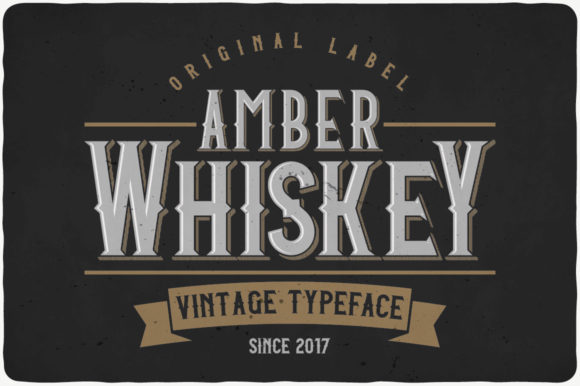
Amber Whiskey is a serif font, but not in the traditional, understated sense. Its letterforms are thick, imposing, and carry a handcrafted quality that nods to old signage and vintage whiskey labels—hence the name. The characters have a slightly condensed structure with prominent serifs and subtle ink traps that give them texture and depth. There's a warmth to the design that feels nostalgic without being outdated, and a boldness that commands attention without overwhelming a layout.
What sets this creative font apart from other display fonts is its versatility in personality. It can feel rugged and industrial when paired with muted earth tones, or it can read as refined and sophisticated when set against clean, minimalist backgrounds. The typeface includes stylistic alternates and ligatures, which means you have room to customize how it looks depending on the project. That kind of flexibility matters when you're building a cohesive brand identity or designing across multiple platforms.
Where This Font Truly Shines
Amber Whiskey works exceptionally well in contexts where you need text to act as a visual anchor. Logo design is an obvious application—its thick lettered construction ensures that a brand name stays legible even at smaller sizes, while its vintage character gives the mark personality and distinction. Think craft breweries, boutique distilleries, artisan bakeries, or independent clothing brands. Any business that wants to project authenticity and craftsmanship can benefit from the visual language this typeface brings.
Packaging design is another area where Amber Whiskey earns its place. On a shelf crowded with products, typography is often the first thing a consumer notices. A bold, vintage-styled display font like this one can make a product feel premium and intentional. It pairs beautifully with textured paper stocks, foil stamping, and earthy color palettes. If you're designing labels for small-batch goods or creating packaging for a specialty food brand, this font does a lot of the heavy lifting in establishing that artisan feel.
Beyond print, Amber Whiskey translates well into digital spaces. Social media graphics benefit from its high-impact lettering—quotes, announcements, and promotional posts all gain visual weight when set in a typeface with this much character. Web design projects that feature hero sections or landing pages with large typographic statements also benefit. The key is using it strategically at larger sizes where its details can breathe, rather than cramming it into body text or tight UI elements.
How Typography Influences Perception
Every typeface carries psychological weight. The fonts you choose for a project shape how an audience perceives the brand or message before they process the actual content. Amber Whiskey, with its bold structure and vintage sensibility, communicates reliability, tradition, and substance. It tells viewers that something is well-made and considered. This is why font selection isn't just an aesthetic decision—it's a strategic one.
Visual hierarchy is another consideration. A strong display font like Amber Whiskey naturally creates contrast when paired with a simpler sans serif font or a clean serif font for body text. That contrast guides the reader's eye, establishing which information is primary and which is supporting. Good font pairing isn't about finding two fonts that match—it's about finding two that complement each other while serving distinct roles. Amber Whiskey handles the headline work with confidence, leaving room for a more neutral typeface to handle the details.
Consistency across touchpoints also matters. When a brand uses the same premium font across its website, social media, print materials, and packaging, it builds recognition. People start to associate that visual language with the brand itself. Amber Whiskey's distinctive character makes it particularly effective for this kind of consistent application because it's memorable without being gimmicky.
Practical Guidance for Using Amber Whiskey
Before committing to any commercial font, it's worth evaluating whether it fits the project's tone and audience. Amber Whiskey leans toward vintage, artisan, and craft-oriented aesthetics. If you're designing for a tech startup or a medical practice, it might not be the right fit. But for projects that celebrate tradition, craftsmanship, or a sense of heritage, it's a strong choice. Always test the font in context—mock up a few designs before purchasing to see how it behaves with your specific content, colors, and layout structure.
Pay attention to readability at different sizes. As a display font, Amber Whiskey is designed for headlines, logos, and large typographic statements. It's not intended for long paragraphs or small text. Pair it with a legible sans serif font like a geometric or humanist typeface for body copy. This contrast creates a polished, professional look while ensuring your content remains accessible. Test how the font renders on different screens if you're using it for web design, and check how it prints at various sizes for editorial design or packaging projects.
Review the font package carefully. Amber Whiskey typically includes uppercase and lowercase characters, numerals, punctuation, and often stylistic alternates or ligatures. Understanding what's included helps you plan your designs more effectively. Check the licensing terms as well—most commercial fonts have specific agreements for desktop use, web use, and sometimes app or embedding use. Make sure the license covers your intended applications, especially if you're designing for clients or producing commercial products.
Building a Thoughtful Font Library
Investing in quality design assets like Amber Whiskey pays off over time. A well-curated font library gives you the tools to respond to diverse creative briefs without settling for generic solutions. The best fonts aren't just decorative—they're functional tools that help you communicate more effectively and build stronger visual identities for yourself or your clients.
Amber Whiskey is the kind of typeface that earns its spot in a designer's collection. It fills a specific niche—bold, vintage, high-character display typography—that many projects call for but few fonts execute well. Whether you're a freelance designer building brand identities, a small business owner creating your own marketing materials, or a crafter developing product labels, having access to a typeface with this much personality and practical utility is genuinely valuable.
The real measure of a good font isn't how it looks in a specimen sheet—it's how it performs in real projects. Amber Whiskey performs well because it balances aesthetic impact with thoughtful design details. It gives you the tools to create work that feels intentional, professional, and visually compelling. And in a landscape where standing out matters more than ever, that's worth paying attention to.