Cowboy Horse: A Typeface for the Modern Frontier
When you think of the Wild West, certain images immediately come to mind: dusty trails, bold adventures, and a sense of unapologetic character. Translating that spirit into modern design requires a special kind of tool. Enter Cowboy Horse, a creative font that captures the essence of frontier typography without looking like a cheap caricature. It is a premium font designed for impact, featuring big, bold letterforms and a rugged, old-timey aesthetic that commands attention. Unlike generic display fonts that fade into the background, Cowboy Horse brings a distinct personality to the table, making it an invaluable asset for anyone looking to inject a bit of Western flair into their work.
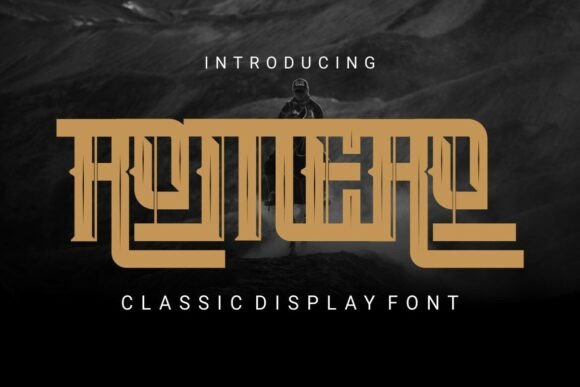
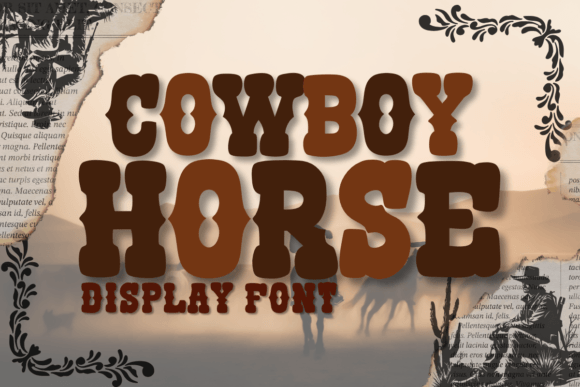
At its core, Cowboy Horse is a display typeface. This means it is engineered to be seen in headlines, logos, and short bursts of text rather than long-form body copy. The visual characteristics are defined by heavy strokes, sharp serifs, and a slightly condensed structure that mimics the look of vintage wanted posters or saloon signage. However, the design avoids being overly distressed or grungy. Instead, it maintains a level of modern typography refinement that ensures it looks professional in contemporary settings. The letter spacing is balanced to create a cohesive block of text that feels solid and grounded, embodying the stability and strength associated with the cowboy archetype.
Defining the Western Aesthetic
The personality of Cowboy Horse is undeniably bold. It speaks of confidence, tradition, and a touch of rebellion. For designers, this font serves as a bridge between historical reference and modern branding. It does not just mimic the past; it reinterprets it for a digital age. The appeal lies in its versatility within the niche of "heritage" styles. While many Western fonts can feel cartoonish, Cowboy Horse leans into a more sophisticated, editorial design approach. It is a typeface that respects the source material while offering the crispness required for high-quality print and digital reproduction.
Understanding where to deploy this typeface is key to unlocking its potential. Because of its strong visual presence, Cowboy Horse works best in scenarios where the goal is immediate recognition and emotional connection. It is an ideal candidate for logo design, particularly for brands in the outdoor, apparel, food and beverage, or artisanal sectors. A brewery, a rugged menswear line, or a ranch-to-table restaurant would find this font perfectly aligns with their brand identity. It instantly communicates a story of craftsmanship and authenticity.
Practical Applications for Creative Projects
Beyond logos, the utility of Cowboy Horse extends across various design assets. In packaging design, it can be used to highlight product names on labels, giving them a tactile, handcrafted feel that stands out on crowded shelves. For editorial design, think magazine covers or feature spreads that require a dramatic headline. The font’s heavy weight ensures that titles pop, drawing the reader’s eye exactly where it needs to go.
In the realm of web design and social media graphics, Cowboy Horse is a powerful tool for engagement. Social feeds are cluttered with generic sans serif fonts and standard scripts. A bold, Western-style typeface breaks that monotony. It is particularly effective for event promotions, such as rodeos, music festivals, or themed parties, as well as for creating merchandise mockups. For content creators and bloggers focusing on lifestyle, travel, or adventure, using this font for Pinterest pins or Instagram story headers can significantly increase click-through rates by establishing a strong visual hierarchy.
Integrating Cowboy Horse into Your Workflow
Choosing a font is rarely just about how it looks in isolation; it is about how it functions within a system. When evaluating Cowboy Horse for a project, the first consideration should be the "vibe" or emotional resonance. Does the project call for nostalgia? Does it need to feel rugged or handmade? If the answer is yes, this font is a strong contender. However, as with any creative font, it requires a strategic approach to be effective.
One of the most critical aspects of working with a display typeface like Cowboy Horse is font pairing. Because the headline font is so stylistic, it needs a counterbalance. You generally do not want to pair it with another decorative font, such as a complex script font or a handwritten font, as this will create visual chaos. Instead, the best practice is to pair it with a clean, neutral sans serif font or a simple serif font for body text. A geometric sans serif works beautifully to modernize the Western aesthetic, while a traditional serif can lean into the vintage vibe. This contrast ensures that your design remains readable and professional.
Readability and Technical Considerations
Readability is the cornerstone of good design. While Cowboy Horse is designed to be legible at larger sizes, it is not intended for body copy or small legal text. Using a display font for paragraphs is a common mistake that leads to poor user experience and high bounce rates on websites. Instead, use Cowboy Horse for H1 and H2 headings, pull quotes, or logo lockups. Let the font breathe; its impact comes from its size and presence.
Before purchasing a commercial font, it is always wise to test it. Most foundries allow you to preview your specific text. Take advantage of this to check the kerning (spacing between letters) for your specific brand name or headline. Furthermore, review the included styles. Does the typeface come with different weights or alternates? These variations can add depth to your design system, allowing you to maintain brand consistency across different mediums while keeping the visual interest high.
Commercial Licensing and Professionalism
For entrepreneurs and small business owners, the technical side of font usage is just as important as the aesthetic. Using a premium font like Cowboy Horse requires a proper commercial license. This is not just a legal formality; it is a mark of professionalism. Free fonts found on dubious websites often come with hidden costs, such as malware or incomplete character sets. By investing in a licensed typeface, you ensure that you have the legal right to use the font for commercial purposes—whether on a website, a physical product, or marketing materials—and you support the typographers who create these design assets.
Furthermore, a consistent typeface is a pillar of a strong brand identity. When your audience sees the Cowboy Horse typeface on your Instagram post, and then sees it again on your product packaging and website, it builds recognition. It tells the customer that you pay attention to details and that your brand has a cohesive story to tell. In a crowded market, that consistency is what separates amateur efforts from professional brands.
Final Thoughts on the Wild West Vibe
Ultimately, Cowboy Horse is more than just a collection of letters; it is a mood setter. It is a tool for storytellers, entrepreneurs, and designers who want to evoke a specific time and place. Whether you are designing a logo for a new startup, creating a poster for a community event, or revamping a blog layout, this typeface offers a unique blend of ruggedness and refinement. By applying the principles of good typography—smart pairing, strategic placement, and proper licensing—you can harness the spirit of the frontier to create designs that are not only visually striking but also deeply effective.