Wofline Graffiti: Inject Authentic Street Energy Into Your Designs
If you are looking to capture the raw, unbridled energy of urban street art in your next project, the typography you choose makes all the difference. Wofline Graffiti is a display font that bridges the gap between gritty street culture and polished design execution. It is not merely a set of letters; it is a creative font inspired by the intricate strokes of typical street art calligraphy and the sharp, flowing lines of graffiti tags. For designers, entrepreneurs, and content creators, this typeface offers a way to inject personality and movement into layouts that standard corporate fonts simply cannot provide. It captures the essence of the spray can and the marker, translating that tactile energy into a digital format that is both versatile and visually striking.
The Visual Language of the Streets
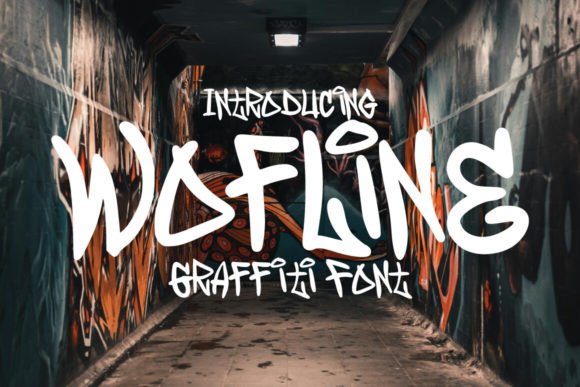
Understanding the visual characteristics of Wofline Graffiti is key to using it effectively. This typeface features the fluid, interconnected strokes typical of high-end street calligraphy. Unlike blocky, block-letter graffiti styles, Wofline leans into a more script-like aesthetic, often categorized as a script font or handwritten font. The letterforms possess a sense of motion; they seem to dance across the baseline with a rhythm that mimics the movement of a spray can in the hands of a skilled artist.
The personality of this font is bold, rebellious, and confident. It carries an inherent coolness that appeals to younger demographics while retaining enough sophistication for modern branding. The visual weight of the strokes varies, creating a dynamic contrast that draws the eye. This is a typeface that demands attention without screaming; it commands the space through style rather than sheer volume. For anyone working on projects related to urban culture, music, or youth lifestyle brands, the aesthetic of Wofline Graffiti aligns perfectly with the subject matter.
Unlocking Creative Potential with Open Type Features
One of the standout aspects of the Wofline Graffiti font is the depth of its character set. It comes equipped with over 130 glyphs, providing a robust foundation for diverse design needs. However, the true power lies in its Open Type capabilities. The alternative characters are divided into several features, including Swash, Stylistic Sets, Stylistic Alternates, and Ligature.
What does this mean for your workflow? It means you are not stuck with a single static appearance for every letter. By accessing these features in programs like Adobe Illustrator, Adobe InDesign, Adobe Photoshop, Corel Draw X version, and even Microsoft Word, you can customize the look of your text. For example, swashes can extend the tails of letters to create elegant flourishes, perfect for the beginning or end of a headline. Stylistic sets allow you to swap out entire groups of letters to change the overall mood of the typeface from casual to more decorative.
Furthermore, this is a PUA unicode (specially coded fonts). This technical detail is crucial for crafters and designers who use software that does not fully support advanced Open Type features. Because of the PUA encoding, all alternate characters can be easily accessed in full by anyone, regardless of their technical expertise. You can use a character map or the glyphs panel to select the specific letterform you need, ensuring that your creativity is never limited by your software.
Strategic Applications: Where Wofline Graffiti Shines
A font like Wofline Graffiti is a specialized tool. It is a premium font designed for impact, making it ideal for specific applications where visual hierarchy and brand perception are paramount. It works best as a headline or title font, where its intricate details can be appreciated at larger sizes. Using it for body copy would likely hinder readability, but as a display type, it is unmatched.
Branding and Logo Design
For logo design, Wofline Graffiti offers instant recognition. If you are building a brand identity for a clothing line, a skate shop, a music production studio, or a trendy cafe, this font sets the tone immediately. It suggests that the brand is modern, approachable, and culturally aware. Pairing it with a clean sans serif font for supporting text creates a beautiful contrast, allowing the logo to pop while maintaining professionalism.
Publishing and Editorial Design
In the realm of editorial design, think about book covers for young adult fiction, biographies of musicians, or urban photography collections. The font adds a layer of thematic depth before the reader even turns the page. Similarly, in poster design for concerts, street art festivals, or movie titles, Wofline Graffiti captures the atmosphere of the event. It is also highly effective for packaging design, particularly for products targeting a trendy, youthful market.
Digital Presence and Social Media
Digital applications are where this font truly excels in today's market. Social media graphics need to stop the scroll, and the unique silhouette of Wofline Graffiti does exactly that. It is perfect for Instagram stories, YouTube thumbnails, and banner ads. In web design, it can be used for hero section headlines to create an immersive landing page experience. However, always ensure that the font is converted to outlines or embedded correctly to maintain consistency across browsers.
Games and Entertainment
The entertainment industry relies heavily on typography to set the mood. For games, especially those with urban, action, or hip-hop themes, Wofline Graffiti serves as an excellent asset for UI elements, title screens, and promotional materials. It fits seamlessly into the aesthetic of movies and documentaries that explore street culture, art history, or rebellious themes.
Technical Considerations and Best Practices
When integrating Wofline Graffiti into your toolkit, a few practical guidelines will ensure you get the best results. First, consider the font pairing. Because Wofline is a display font with high visual noise, it pairs best with simpler typefaces. A geometric modern typography sans-serif or a simple serif font for body copy will balance the composition. Avoid pairing it with other decorative or script fonts, as this will create visual chaos and reduce legibility.
Second, pay attention to spacing. Graffiti-style fonts often have tight kerning by default to mimic the look of spray paint hitting a wall. In digital design, you may need to manually adjust the tracking (letter-spacing) to ensure the letters don't collide awkwardly at smaller sizes. However, for large titles, tight spacing often enhances the authentic street-art vibe.
Third, color plays a significant role. Wofline Graffiti looks incredible in high-contrast color schemes—think neon pinks on black, or white on concrete gray textures. It also holds up well in solid black or white, making it a versatile choice for monochromatic branding.
Conclusion: Making Your Mark
Ultimately, Wofline Graffiti is more than just a typeface; it is a design asset that allows you to tap into the energy of the streets. It is a commercial font that offers professional-grade features, including extensive Open Type support and PUA encoding, ensuring that your creative workflow remains smooth. Whether you are a small business owner looking to revamp your packaging, a content creator needing bold social media assets, or a designer working on a film poster, this font provides the tools to make your ideas stand out. By understanding its personality and leveraging its technical features, you can create designs that are not only readable but also deeply resonant with your audience.