Romero: Where Classic Heritage Meets Modern Geometry
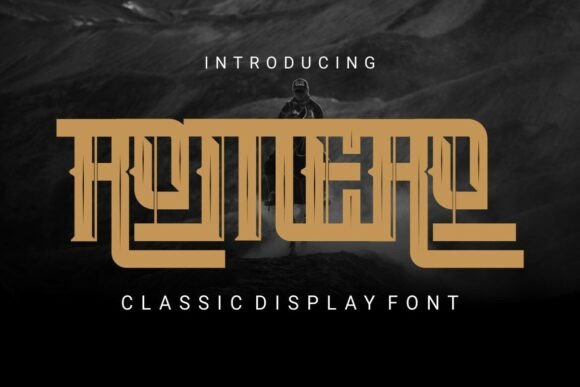
When you first encounter the Romero typeface, you're not just looking at letters—you're meeting a personality. This premium font carries a quiet confidence, blending the timeless elegance of classical letterforms with the crisp, architectural precision of modern geometry. It’s the kind of display font that doesn’t shout for attention but naturally commands it, making it a powerful tool for designers and creatives who want to build a brand with depth and distinction.
A Typeface with Architectural Grace
What makes Romero stand out in a crowded field of creative fonts? It’s all in the details. The characters feature subtle, interlinking forms and a strong vertical rhythm that feels almost like the pillars of a grand building—structured, dignified, and inherently decorative without being ornate. The serif font elements are refined, offering just enough traditional flair to feel established, while the overall silhouette remains clean and highly legible. Think of it as modern typography with a soul: warm, sophisticated, and meticulously balanced.
This balance is crucial. Many decorative fonts sacrifice readability for style, but Romero maintains clarity even at smaller sizes. The careful spacing and consistent stroke weight ensure that your message isn’t lost in the aesthetics. Whether you’re setting a headline for a luxury brand or designing a wedding invitation, the Romero font delivers that rare combination of visual interest and practical functionality.
Where Romero Truly Shines
Understanding where to deploy a typeface like Romero is key to unlocking its full potential. Its personality is perfectly suited for projects that require a sense of established elegance and creative sophistication. Here are some real-world applications where this font can elevate your work:
- Luxury Brand Identity & Logo Design: Romero is a natural fit for logo design in high-end sectors. Imagine it for a boutique hotel chain, a bespoke tailor, a premium spirits label, or a high-fashion atelier. Its geometric precision and classic undertones communicate heritage, quality, and exclusivity.
- Editorial & Publishing Design: For book covers, magazine mastheads, or chapter titles in historical fiction, Romero adds immediate gravitas. It’s an excellent choice for editorial design where you want to blend narrative tradition with a contemporary layout.
- Cinematic & Theatrical Titles: The font’s rhythmic verticality and decorative flow make it ideal for title sequences, event posters, or album artwork. It has a cinematic quality that suggests story and prestige.
- Premium Packaging & Labels: In packaging design, first impressions are everything. Using Romero on a product box, bottle, or cosmetic container can instantly position a product as artisanal and luxurious.
- Digital & Web Design: While it excels in print, Romero can be a striking choice for web design hero sections, landing page headers, or social media graphics for brands in the lifestyle, travel, or luxury goods space. Pair it with a clean sans serif font for body copy to maintain readability online.
Practical Guidance for Using Romero Effectively
Choosing a commercial font is an investment. Here’s how to ensure Romero is the right fit for your next project and how to use it well.
Evaluate the Project’s Personality: Does your project call for a blend of tradition and modernity? If the brand or message is about heritage, craftsmanship, or refined luxury, Romero is likely a strong contender. It’s less suited for ultra-minimalist or overly casual tech startups but perfect for anything needing a touch of “old world” luxury updated for today.
Test Font Pairings Thoughtfully: As a display typeface, Romero works best when paired with simpler, highly readable fonts for longer text. A classic pairing might be Romero for headlines with a humanist sans serif font like Lato or Open Sans for body text. Alternatively, for a more dramatic contrast, try it with a subtle script font or handwritten font for accents, ensuring the overall design doesn’t become cluttered.
Leverage the Included Assets: With PUA encoding, all of Romero’s special characters, alternates, and decorative elements are accessible directly from your character map. This is a huge practical advantage, especially for logo design or monogram creation where you might want a unique ligature or swash. Always review the full character set when you install the font to discover these hidden gems.
Consider the Medium and Scale: Test the font at the sizes you intend to use. While it’s highly readable, its intricate details are best appreciated at larger scales, such as in headers or logos. For very small text on screens, ensure adequate contrast and spacing.
Mind the Licensing: As a premium font, ensure your license covers your intended use—whether for a client’s commercial website, printed materials, or merchandise. Reputable foundries make licensing terms clear, which is essential for professional work.
Creating an Immersive Brand Experience
The true power of a typeface like Romero lies in its ability to contribute to a cohesive brand identity. It’s not just a lettering choice; it’s a strategic design asset. When used consistently across touchpoints—from a website’s web design headers to its printed business cards and social media templates—it builds recognition and professionalism.
For a truly immersive premium experience, consider the tactile and visual context. Pair Romero with rich textures like brushed metal, leather, velvet, or fine paper stocks in your print collateral. In digital spaces, use it against subtle, textured backgrounds or with elegant color palettes (think deep navy, charcoal, cream, or metallic gold accents). This thoughtful pairing reinforces the font’s inherent warmth and sophistication, making your brand feel curated and intentional.
In the end, Romero